
Are Soy Candles Better? Soy vs Paraffin
The candle aisle has changed. Once dominated by paraffin, today's market increasingly favors soy and other plant-based waxes. But the question persists: are soy candles genuinely better, or is this simply marketing? We'll examine the science, performance, and sustainability of both waxes to help you understand what belongs in your home.
What Soy and Paraffin Wax Actually Are
Paraffin wax is a petroleum byproduct created during crude oil refinement. It's been the candle industry standard for over a century because it's inexpensive and reliable. Soy wax, by contrast, is extracted from soybean oil, a renewable plant resource. This fundamental difference shapes nearly everything that follows.
Both waxes perform their basic function: they hold fragrance, hold dye, and burn to release scent. But how they burn, how long they last, and what they release into your air varies significantly. Understanding these differences helps explain why luxury candle makers now prefer soy almost universally.
Burn Time and Efficiency
Paraffin candles typically burn between 25 and 45 hours per pour, depending on the container size and wick quality. Soy candles burn 30 to 50 percent slower. A soy candle provides up to 80 hours of burn time for the same size and wick, meaning your fragrance lasts far longer.
This isn't a minor convenience. Slower burn means cooler flame temperatures, which translates to better scent release over time. The wax melts more evenly, reducing tunneling (that annoying hollow ring that forms around the wick when a candle burns unevenly). Scintilla's refillable jars maximize this advantage, letting you enjoy the same vessel for years while only replacing the wax.
Soot and Air Quality
Paraffin candles produce noticeably more soot. This black residue isn't just unsightly on jar walls, it's carbon particles released into your air. Over time, extensive paraffin candle use correlates with visible residue on walls and ceilings. Soy candles produce dramatically less soot, making them the cleaner choice for indoor spaces where air quality matters.
That said, wick quality matters enormously. A high-quality cotton wick burns cleanly regardless of wax type. A low-quality wick, even in soy wax, will produce soot. Scintilla candles use premium cotton wicks paired with pure soy wax to minimize particulate matter entirely, ensuring your air stays fresh.
Soy vs Paraffin
Scent Throw and Fragrance Performance
Scent throw refers to how far fragrance disperses through a room. Soy wax holds fragrance oils efficiently, releasing them evenly as the wax melts. Paraffin also holds fragrance well, but because it burns faster, the scent release is often more intense and shorter-lived.
The slower burn of soy creates a sustained, gradual scent experience. Rather than a strong initial burst that fades, soy candles provide consistent fragrance throughout their burn. This makes them ideal for sustained ambiance in bedrooms, offices, and living spaces. For a refillable candle designed for regular use, soy's controlled release is far superior.
Sustainability and Environmental Impact
Paraffin relies on fossil fuels. While refineries produce it anyway as a byproduct, choosing paraffin perpetuates demand for petroleum extraction. Soy wax comes from renewable crops. Soybean plants absorb carbon dioxide during growth, making soy a carbon-neutral renewable resource. When you buy soy candles, you're supporting agricultural sustainability rather than fossil fuel dependence.
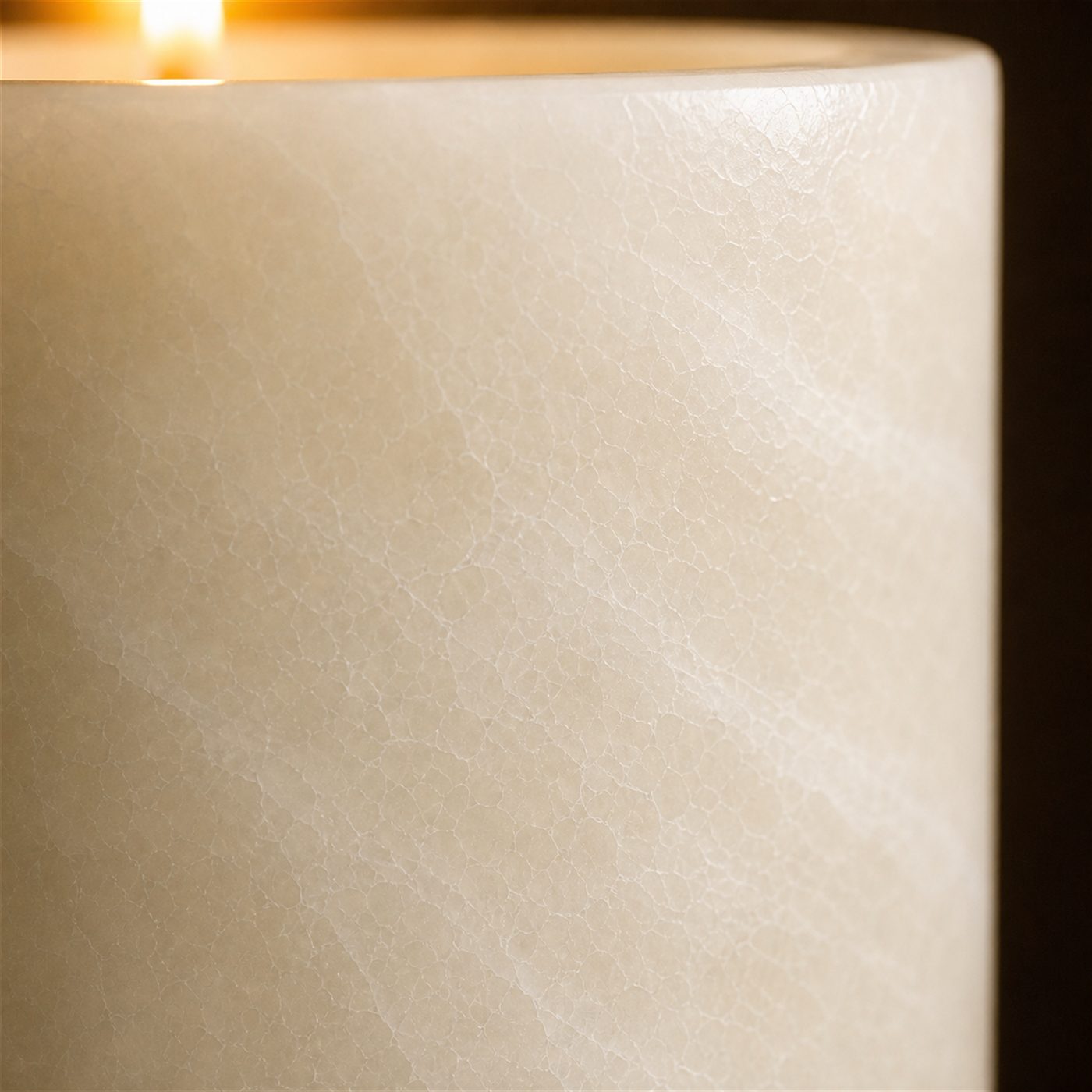
Scintilla's commitment extends beyond wax. Our hand-carved onyx vessels are designed to last indefinitely. By making refills available through our refill collection, we eliminate the waste of single-use candles. You keep your beautiful jar forever and simply replenish the wax, reducing landfill impact dramatically compared to disposable paraffin candles.
Cost and Accessibility
Paraffin is cheaper. Soy costs more because it's a food crop, subject to agricultural market fluctuations, and requires more processing. This price difference makes paraffin attractive for budget-conscious consumers. However, soy's superior burn time means you use less wax overall. A soy candle that costs 40 percent more but lasts 80 percent longer actually saves money over time.
For luxury candle consumers, the choice becomes clear: invest in a quality soy candle that burns cleanly for up to 80 hours, or buy cheap paraffin repeatedly. Scintilla's refillable model makes the math even better, since your expensive, beautiful jar becomes a one-time investment that serves you for years.
Key Takeaways
- Soy candles burn 30-50% slower than paraffin, delivering superior value despite higher upfront cost.
- Pure soy wax produces significantly less soot, keeping your home's air cleaner and walls unmarked.
- Plant-based soy wax is renewable and carbon-neutral, making it the sustainable choice for conscious consumers.
- Scintilla's refillable model eliminates single-use waste, letting you enjoy a luxury vessel for life while only replacing the wax.
Frequently Asked Questions
Are soy candles safe for health?
Soy candles are generally considered safer than paraffin because they release fewer particulates and VOCs (volatile organic compounds). They produce minimal soot, reducing airborne carbon particles. However, candle safety depends primarily on wick quality and room ventilation, not wax type alone. Scintilla uses premium cotton wicks with pure soy wax to ensure the cleanest burn.
Do soy candles smell as strong as paraffin?
Soy candles release scent differently. Paraffin often delivers an intense, short-lived scent burst, while soy provides sustained, gradual fragrance throughout the burn. Many prefer this controlled release for consistent ambiance. Scent strength ultimately depends on fragrance load and wick size, not the wax type itself.
Why are soy candles more expensive?
Soy wax costs more than paraffin because it's sourced from food crops, subject to agricultural market fluctuations, and requires more processing. However, soy's superior burn time means you use less overall. A soy candle lasting up to 80 hours actually costs less per hour of fragrance than a cheap paraffin candle burning in 30 hours.
Can I refill soy candles in my jar?
Yes. Scintilla's refillable jars let you enjoy the same hand-carved onyx vessel for life. Simply purchase fresh soy wax refills when your candle burns down, eliminating single-use waste and saving money long-term. It's the most sustainable and economical candle model available.
Discover the difference pure soy wax makes. Explore Scintilla's refillable candles in hand-carved onyx and experience up to 80-hour burns with zero waste.
Shop Refillable Candles